
Issue 17 · Summer 2026Series · The Name
NThe Journal
Brand7 minute read · 1,760 words
नज़राना · On the name

What nazarana means.

A nazarana (नज़राना) is a ceremonial gift — the tribute a subject once presented to a sovereign as a mark of honour. Our verdict on the name: we chose it because a nazarana was never a transaction. It was a considered offering, given upward, meant to be kept. That is the gift we make.

Paridhi Kompella
Paridhi Kompella · Founder
10 June 2026
Editorial · a single 999 silver presentation coin resting on deep-green velvet, raking light, a mark of tribute

01 · The word

What does nazarana actually mean?

Nazarana is a Persian word that settled into Hindi and Urdu several centuries ago, and it means a gift — though not any gift. A nazarana was the ceremonial offering that a person of lesser rank presented to a sovereign or a superior: a token of respect, laid before someone as tribute. The old dictionaries are careful about the direction of it. A nazarana always travels upward, from the one who wishes to honour toward the one being honoured. It is, in a sense, a gift with a bow already built into it.

At the Mughal court, established in India in 1526, and later at the courts of the more than 500 princely states that endured until 1947, the nazarana was a fixture of etiquette. A courtier seeking an audience, a noble marking an accession, a guest arriving at a durbar on a festival day — each brought a nazarana. Often it was counted out in gold coins or silver and presented on a cloth or a tray. To arrive empty-handed before a ruler was not merely impolite; it was to misunderstand the entire grammar of the encounter.

It helps to say what nazarana is not. It is not the same word as nazar — the gaze, the look, the thing we guard against when we speak of buri nazar, the evil eye. The two are cousins in sound, and they are endlessly confused, but a nazarana is the opposite of a warding-off. It is an offering made openly, in daylight, with the full intention of being seen. Where nazar is something you deflect, a nazarana is something you present.

A nazarana was never something you bought and handed across a counter. It was something you offered — chosen with care, given upward, meant to be received as honour.

02 · The tribute

Why was silver so often the tribute?

Tribute has to be made of something, and across Indian history that something was usually a precious metal. Gold carried the highest charge and was reserved for the grandest gestures. But silver was the everyday register of ceremony — the metal of the puja shelf, the bridal trousseau, the newborn's first feeding-bowl — and so silver was the tribute a family could actually give. A silver coin, a silver vessel, a silver ingot: each carried real, weighable worth, and each could be kept, displayed, and one day passed on.

There was a vocabulary around all this that court chroniclers used with precision. Nazr was the smaller personal offering; peshkash the larger, weightier tribute; nazarana the presentation gift laid before a superior. They were exchanged at accessions, at Nauroz and other festivals, at the first audience granted to a supplicant. What united them was that they were never spontaneous. The occasion was known, the form was expected, and the giving was a piece of theatre with centuries of choreography behind it.

This is the quiet logic that made silver the material of considered gifting in India. Unlike a garland or a sweet, a piece of silver did not perish. Unlike a sum of paper money, it did not simply dissolve into a household's spending. It sat in the almirah as a record — of who had given it, on what occasion, and in whose honour. Purity mattered because purity was the promise: pure silver held its value across generations, while a plated or debased piece revealed itself, in time, as a merely decorative thing.

  • The giverA subject, a courtier, a guest — someone paying respect upward
  • The receiverA sovereign, a patron, an elder — someone being honoured
  • The occasionAn accession, a festival, a first audience, a marriage
  • The formGold coins, silver vessels, a crafted object — never a casual token
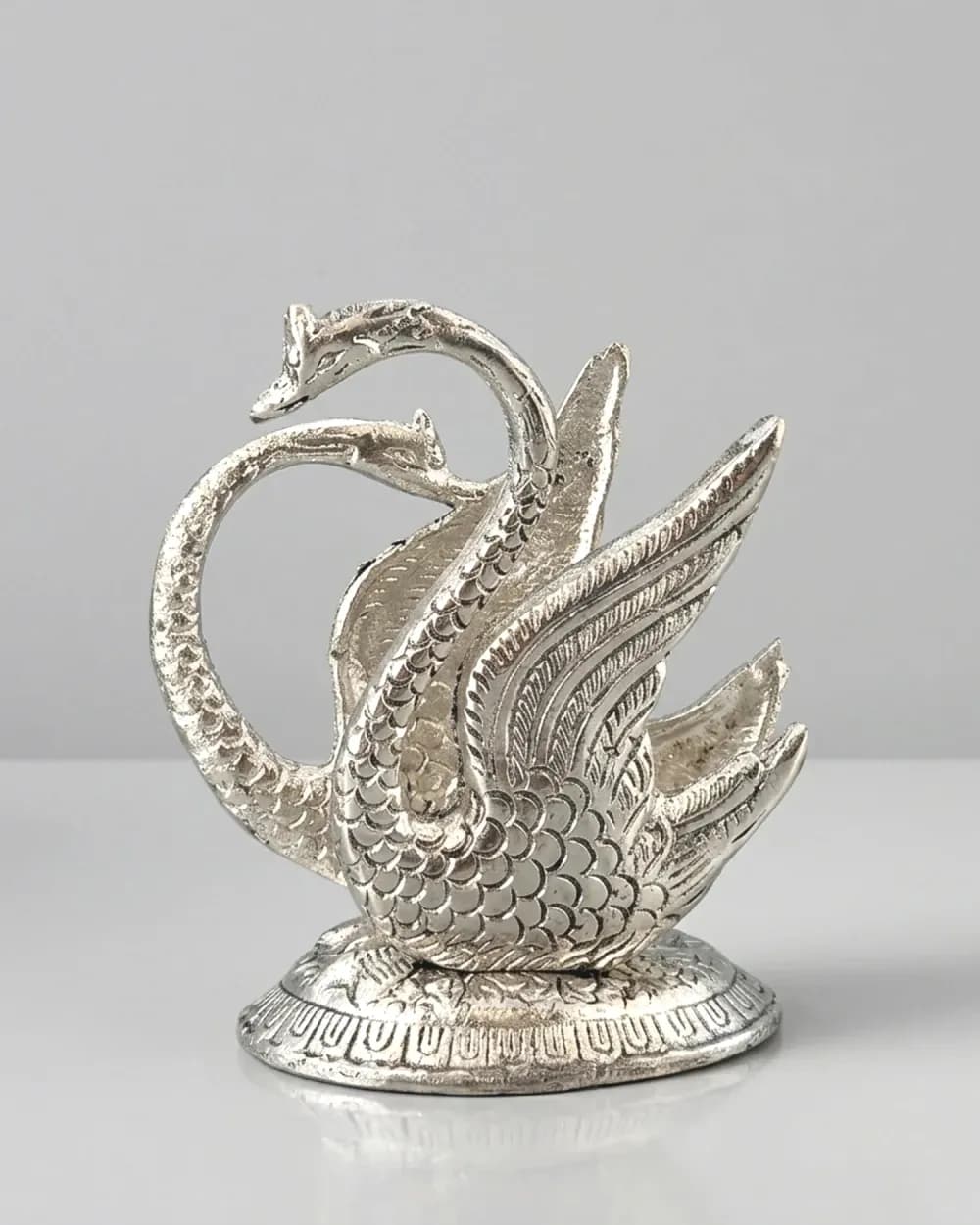
The considered gift · Silver shagun

Shagun is our word for nazarana — a gift given at the threshold of a marriage, meant to be kept.

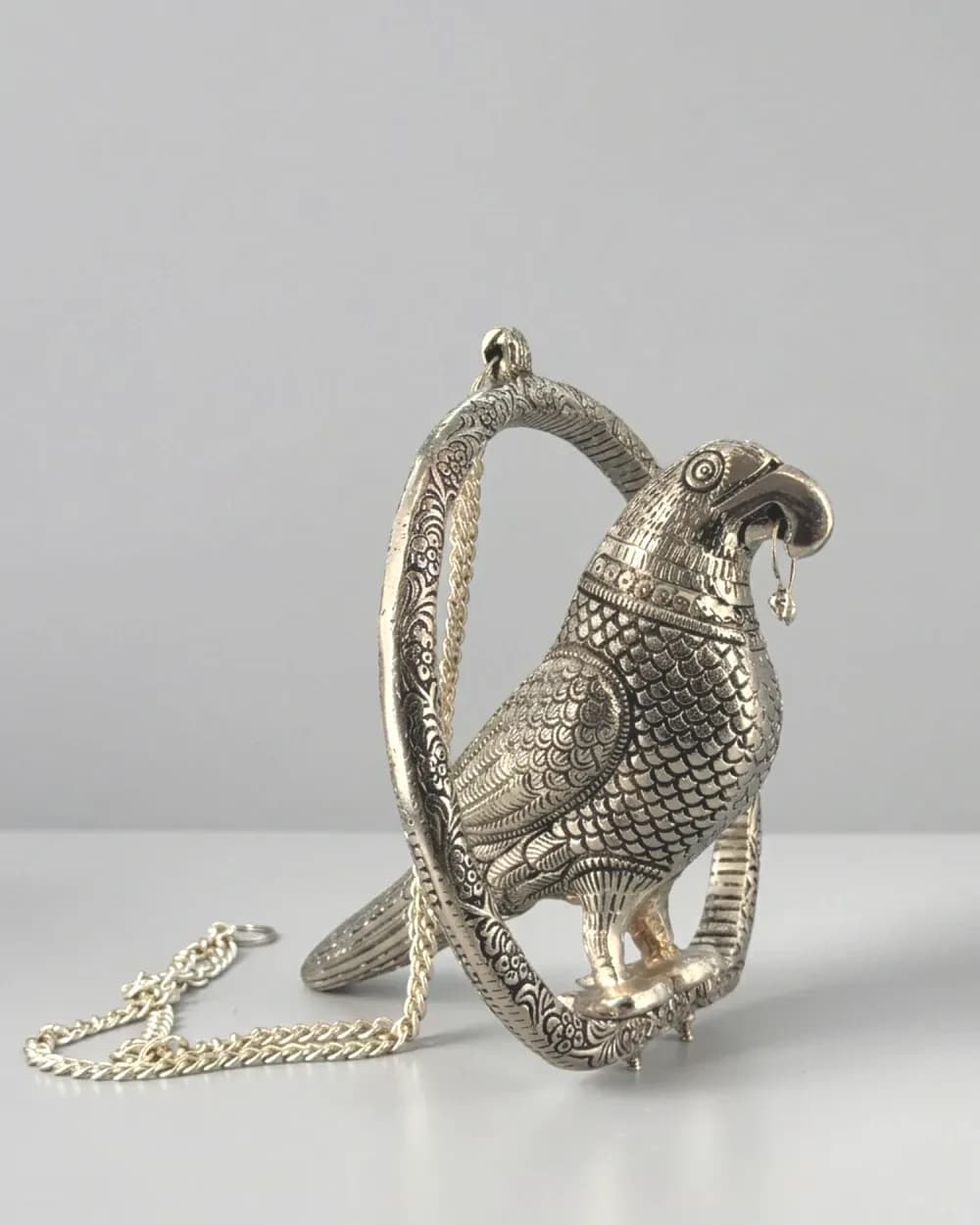
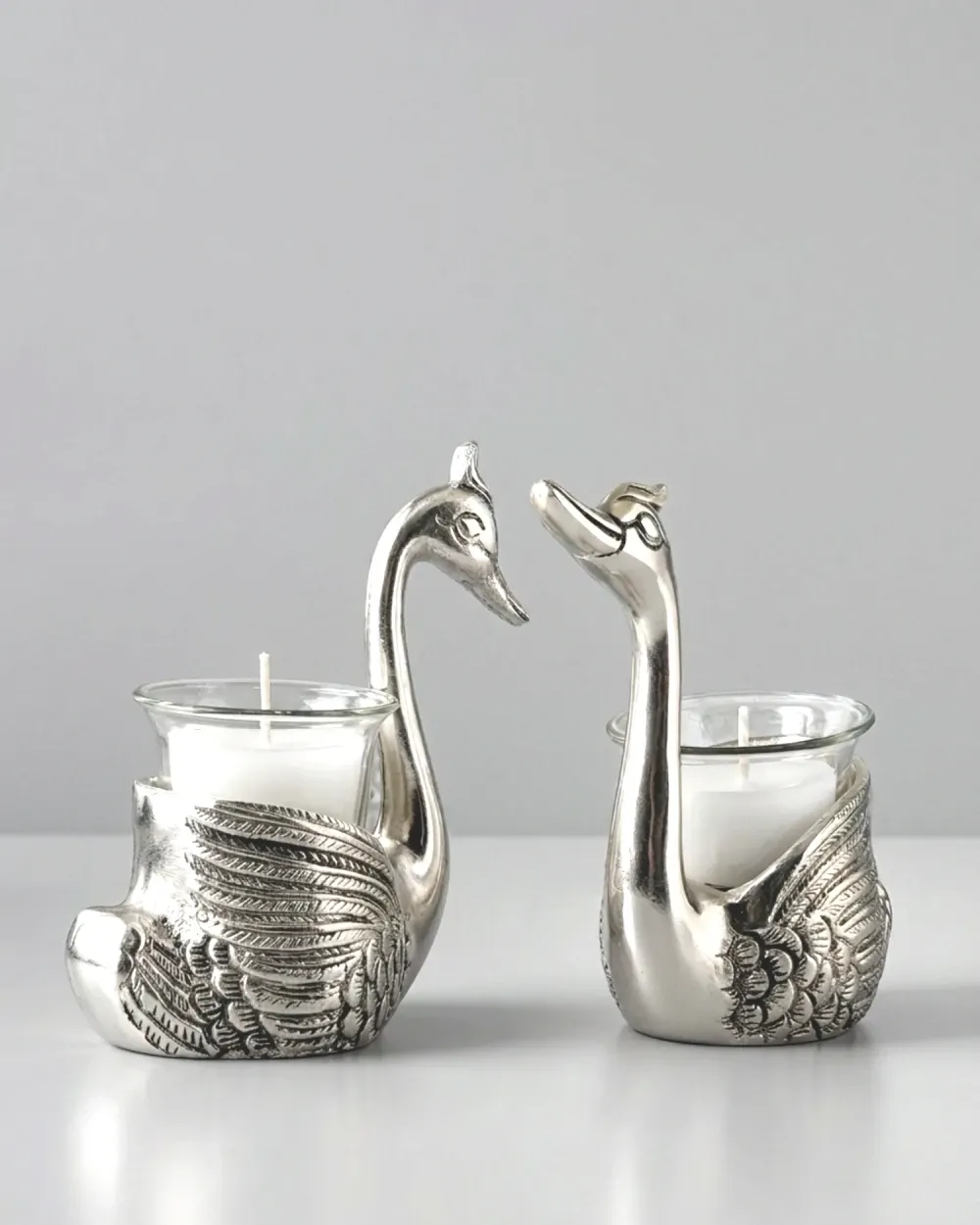
Silver shagun pieces for the weddings in your family — chosen, weighed and boxed with a certificate. A tribute, in the old sense of the word.

See silver shagun gifts

03 · The nazarana rupee

Was there really a nazarana rupee?

There was. Among coin collectors, a nazarana rupee is a specific and prized thing: a presentation coin struck by a princely state not for circulation but for giving. These were superior strikes — sharper, heavier and more carefully finished than the coins that changed hands in the bazaar — produced in small numbers so that a ruler might present them, or receive them, as nazarana. A nazarana coin was money that was never meant to be spent. It was money made to be kept.

That single distinction — between what circulates and what is kept — is the hinge of the whole idea. A rupee in the marketplace is a transaction; it is designed to leave your hand and keep moving. A nazarana rupee was designed to stop: to be received, admired, set aside and remembered. The craftsmanship was higher precisely because the coin's job was not to work but to honour. Its worth was measured in silver; its meaning was measured in the gesture.

So let us be plain, because search engines and curious visitors both deserve the clarity: Nazarana Silver does not deal in antique nazarana rupees, and we sell no historical coins of any kind. If you have arrived looking for a numismatic collectible, this is not that shop. We borrowed the word for its meaning, not its merchandise. What we took from the nazarana tradition is the idea — the considered gift, given upward, made to be kept — and not the coins themselves.

A nazarana rupee was struck to be given, not spent. That distinction — between what circulates and what is kept — is the whole of what we mean by the name.

04 · The name we chose

So why call a silver house Nazarana?

When Paridhi Kompella founded this house in Gurugram in 2025, the name was not chosen for its sound alone, lovely as it is. It was chosen because it names a philosophy we already held: that a gift is not a transaction. A transaction is settled and forgotten. A nazarana is offered and remembered. Everything we make is built to sit on the second side of that line — to be the piece that is kept, engraved and one day handed on, rather than used up and replaced.

That belief shows up first in the metal. We work chiefly in 999 fine silver — 99.9% pure, the grade that holds close to full melt value and carries the cultural weight pure silver has held in India for millennia — and in 925 sterling, 92.5% silver, where a piece needs the hardness of the alloy to survive daily handling. Either way, every piece is hallmarked, weighed and boxed with a certificate, so that the worth of the gift is never a matter of taking anyone's word. A nazarana was always legible; ours are too.

None of this needs to be grand to be a nazarana. Our pure 999 pieces start from ₹1,500 and are made in commissions of as few as 10, which means a family marking a wedding, or a company honouring the people who built it, can still give something that holds. If you would like to see where the idea becomes an object, our pure silver line is the clearest place to begin — and the weddings we help with are, in the truest sense, nazaranas by another name.

End of piece
1,760 words · 7 minutes
~
Paridhi Kompella, Founder
Author

Paridhi Kompella

Founder, Nazarana Silver. MBA. Writes a few times a year — on silver, ceremony, and the difference between a souvenir and a gift.

Read more by Paridhi
The Journal · four issues a year

A gift, in the old sense of the word. Let us make yours.

WhatsApp the founderSee Luxe 999 collection