
01 · The cultural argument
Why silver was the metal that lasted.
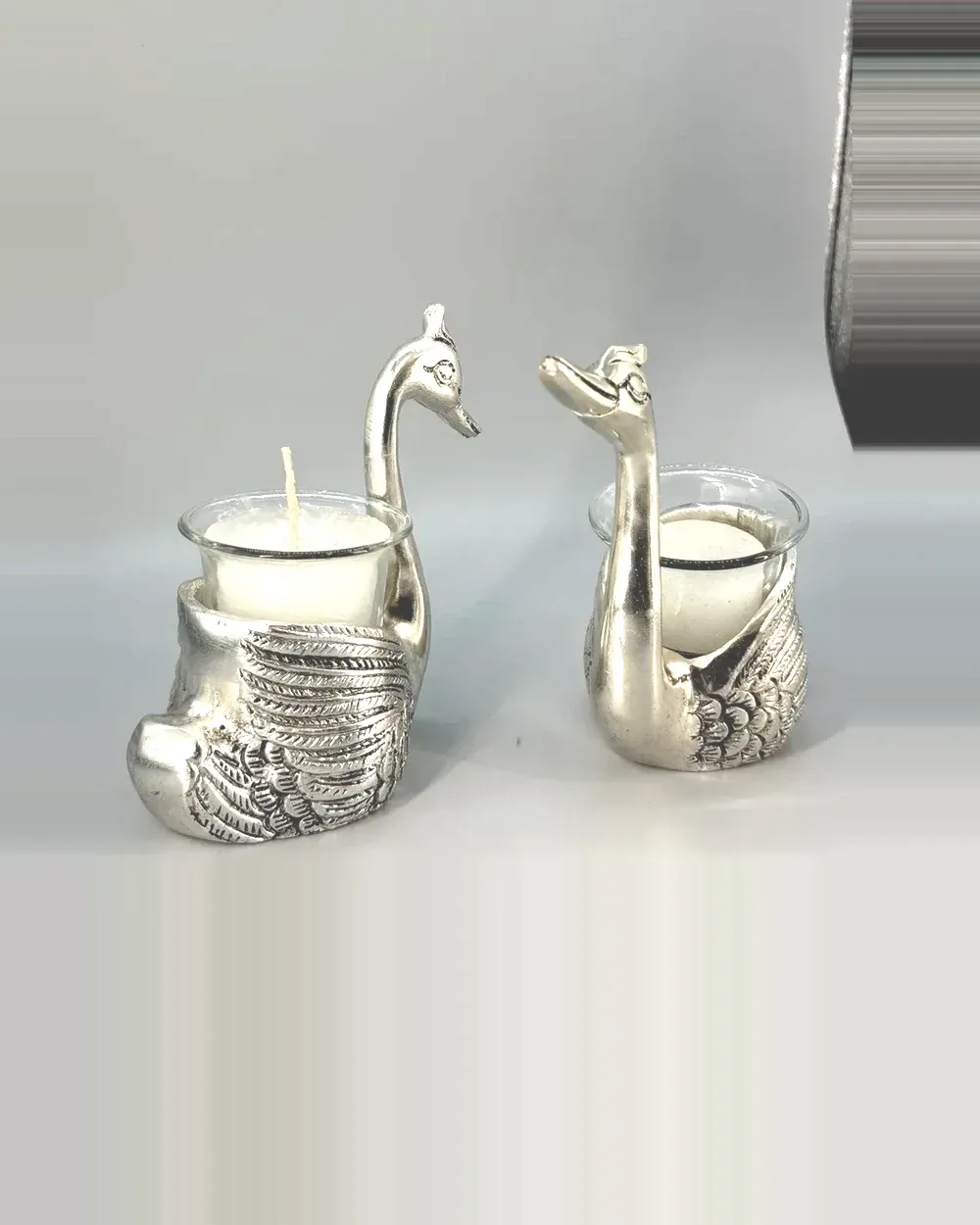
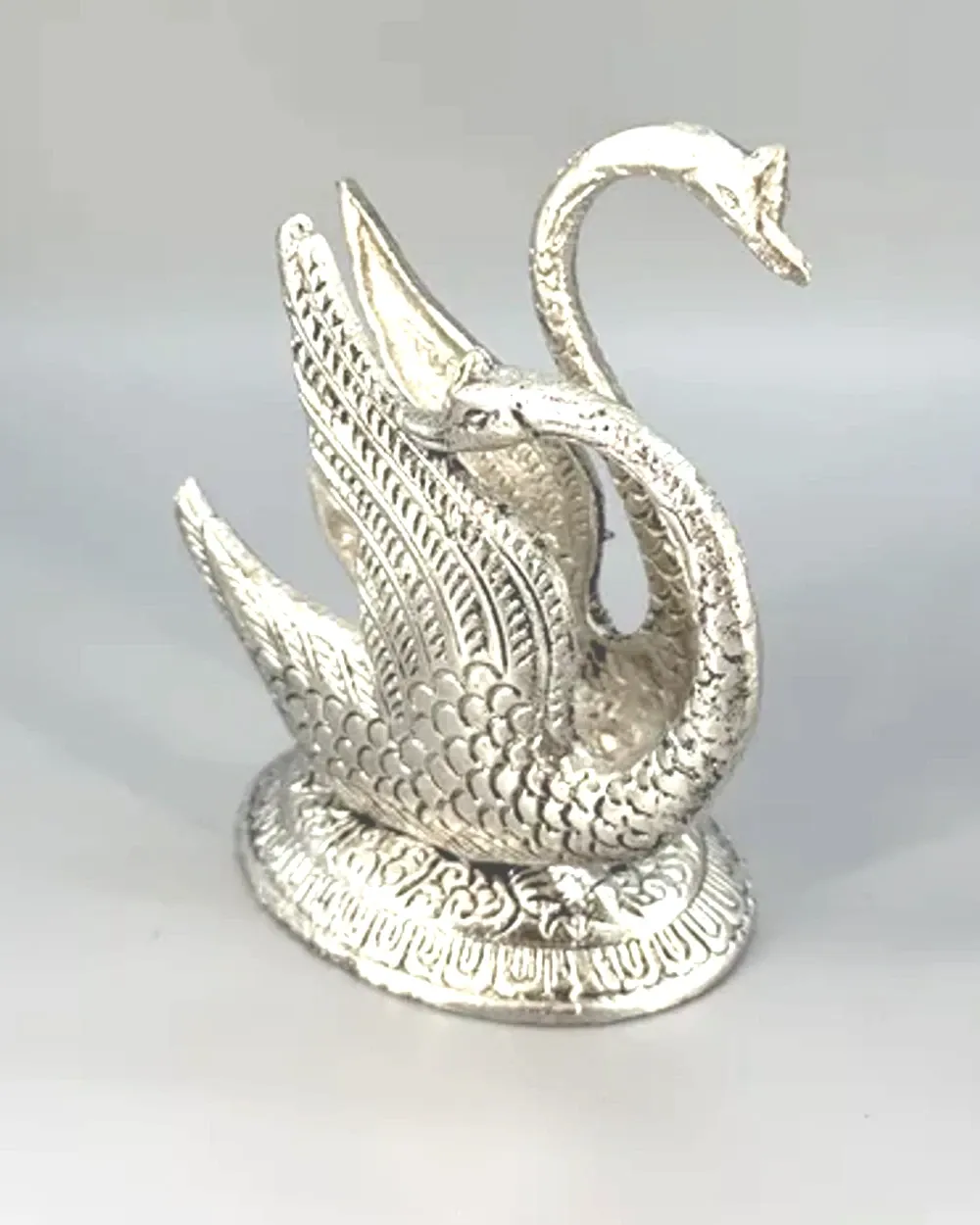
There is a small thing my grandmother used to do at the start of every Diwali. She would take the family silver out of the steel almirah, lay each piece on a square of red cotton on the floor, and run a soft cloth over it before placing it on the puja shelf. The pieces had weight — most of them were 999 cast silver, commissioned by her own mother in the 1940s — and the cloth would come back darker each year. She called this anushthan, the small ritual of remembering.
What she was doing, looking back, was reading the silver. The pieces with the deepest patina were the oldest. The ones engraved on the underside carried a date and a name and a place. The kalash had her mother-in-law's initials hand-cut into the rim. The diya pair had a wedding date that pre-dated my grandmother's own marriage by thirty years. The silver was a family record, and the purity of the silver was what kept the record legible.
The cultural argument for silver purity is exactly this: pure silver lasts. 999 silver, properly stored, will look the same in two hundred years as it does today. 925 sterling will tarnish faster but will still be recognisable. Silver-plated brass — the alternative that costs a quarter as much — will lose its silver layer in twenty years and will be unreadable in fifty. The difference at the point of purchase is a percentage. The difference at the point of inheritance is total.
“The pieces with the deepest patina were the oldest. The silver was a family record, and the purity of the silver was what kept the record legible.
02 · The Vedic register
Why silver, and not some other metal.
Indian texts have been specific about silver for at least 3,000 years. The Rigveda associates silver (rajata) with Soma, the moon, and with the cooling, feminine, lunar register of the cosmos. The Manusmriti, written around 200 BCE, lists silver among the six recognised forms of streedhan — the personal property of a married woman, legally hers under all circumstances. The Grihya Sutras specify silver for the seventh-month pregnancy rasam (godh bharai) and the first-rice ceremony (annaprashan) because silver was believed to be the metal that warded off the buri nazar of childbirth and infancy.
Gold occupied a parallel register — the metal of stored value, of Lakshmi's wealth, of the Vishnu shrine. But silver was the daily-life metal. It was on the puja shelf, on the kitchen thali, in the bride's trousseau, in the newborn's first feeding-bowl. The cultural reading of silver is not that it is precious in the financial sense (it is, but secondarily); the cultural reading is that silver is the auspicious material — the metal that carries the family's intentions across generations.
- Vedic registerSoma, the moon, the feminine and cooling cosmic register
- Legal registerStreedhan — the bride's personal property under Hindu law
- Ritual registerGodh bharai, annaprashan, Dhanteras, silver jubilee
- Daily registerPuja shelf, kitchen thali, dressing table, jewellery box